
Now serving families across Utah, Arizona, Texas, and Idaho.

NIGHTTIME BRACING: A SIMPLE WAY TO HELP WITH TIGHT ACHILLES!

WHY NIGHTTIME MATTERS!


Hey everybody, and welcome back!


Today I’ve got my little assistant Lily Ray and Mr. Bob helping me talk about something we see all the time—kiddos developing tightness in their Achilles tendon and calf muscles!


Whether it’s a child with cerebral palsy or a kiddo who just loves walking on their toes, spending too much time up on those toes can lead to tightness pretty quickly.


Daytime braces can be super helpful, but here’s the problem: what happens when they go to sleep?


Most of us naturally sleep with our ankles pointed down, which can contribute to that tightness. That’s why nighttime stretching and positioning can be such an important part of the game plan.


A SIMPLER NIGHTTIME BRACING OPTION


Nighttime braces have been around for a long time, but getting kiddos to actually wear them can be a challenge.


Sometimes they’re complicated, uncomfortable, or the straps get pulled too tight. And when a kiddo wakes up uncomfortable in the middle of the night, nobody’s getting much sleep!


That’s where I’ve really been liking the Turtle Brace.


A few reasons I like it:


  • Custom fit: It’s an off-the-shelf brace that we heat and mold directly to the child’s leg.


  • Quick and simple: The fitting process only takes a few minutes once the brace is heated.


  • Nighttime positioning: It helps hold the ankle in a more neutral or upward position instead of letting it stay pointed down all night.


  • Easy to use: A simpler option that may make nighttime bracing more manageable for families.


DON’T LET NIGHTTIME UNDO THE PROGRESS!


The big takeaway here is that what happens at night can be just as important as what we’re doing during the day.


If we’re working hard to improve ankle flexibility and positioning during the day, we want to help maintain that progress overnight, too.


For the right kiddo, adding a nighttime brace like the Turtle Brace may be a great way to help manage tightness and support the overall treatment plan.


If nighttime bracing isn’t part of your game plan yet, it might be worth considering!


Have questions about the Turtle Brace or nighttime stretching options? Give us a call—we’re always happy to help!


Catch you next time!


Dave
Leave a Reply

Your email address will not be published. Required fields are marked *

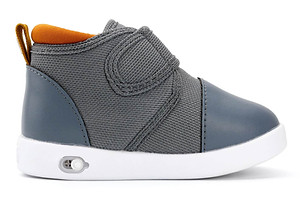
BILLY GOAT

Sizes start at Toddler 5

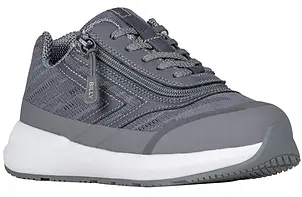
Billy’s shoes completely unzip to make putting on shoes with AFO’s a breeze. Both low and high top options. And new styles are constantly being added. 

IKIKI

Sizes from Toddler 2-13 only

Wide with long straps, Ikiki shoes have quickly become one of the most popular SMO/AFO shoes out there. Super cute styles and they come with an on/off squeaker! 

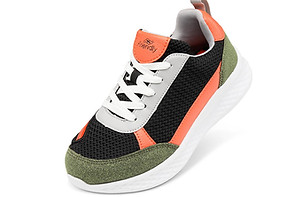
Friendly

All sizes

Experience hassle-free on-and-off with patented front Easy Shoe Access. ESA creates larger entry portals and is easier to pull than wrap-around zippers.

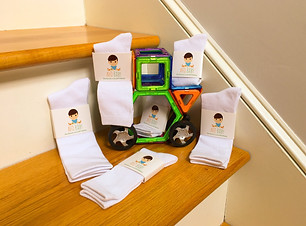
AFO BABY SOCKS

Size 1-8 on Amazon

AFO Baby Socks are the best deal out there for AFO socks. Most AFO socks are over $10-15 a pair. These are $29 for 5 pair!

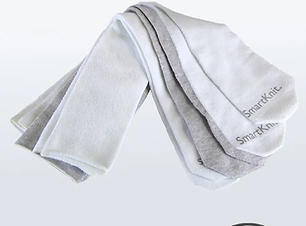
SMARTKNIT

All sizes 

SmartKnit are a little more expensive, but a little higer quality and fit too. 3-pack for $51.

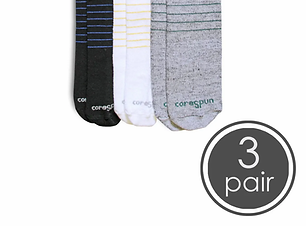
CORE SPUN

Child Small to X-Long

These AFO specific socks are said to be the best thing out there with patented “twisting moisture-wicking fibers” for unbelievable fit and comfort. 3 pack for $52

Recent Posts

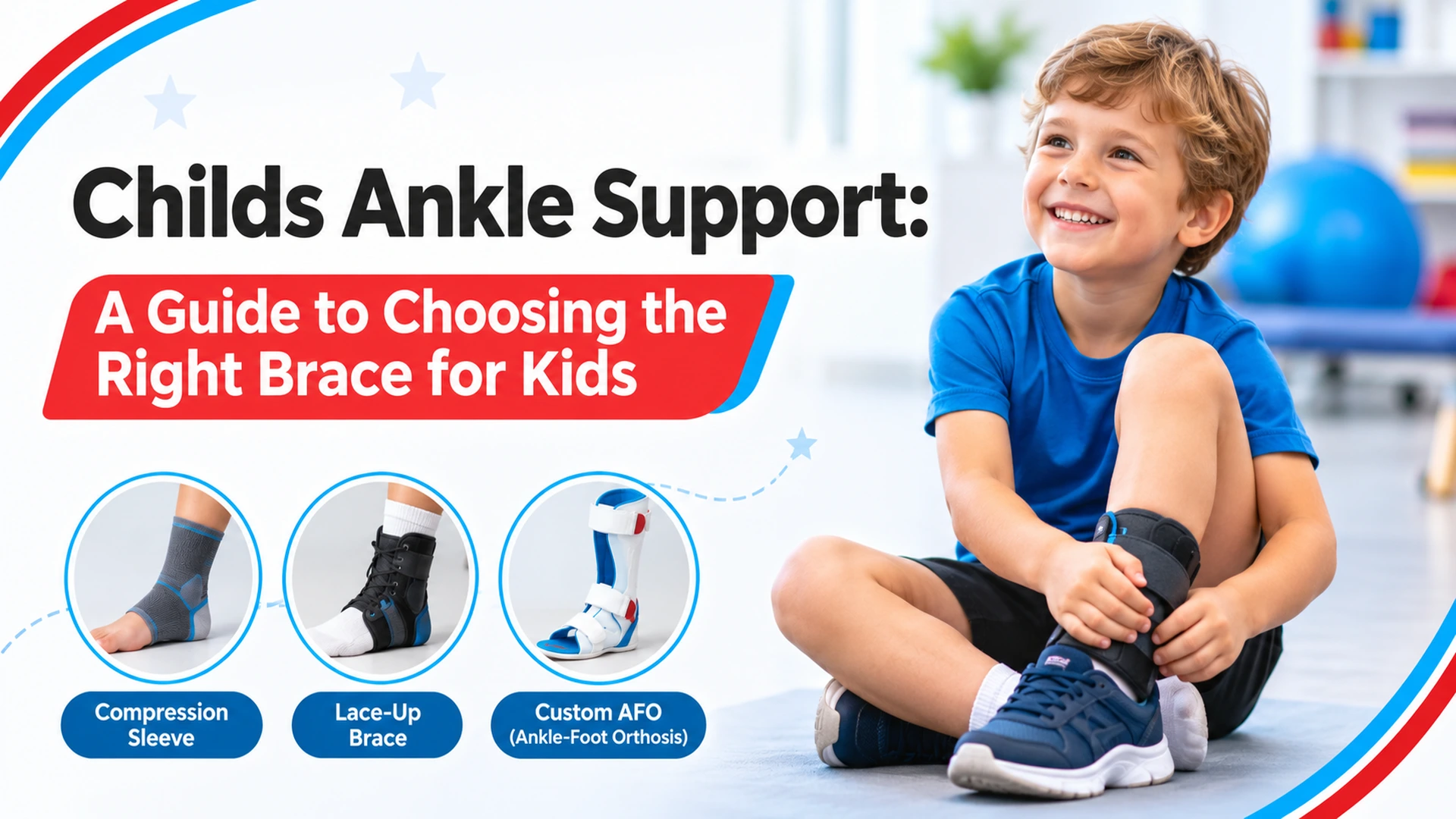
Childs Ankle Support: A Guide to Choosing the Right Brace for Kids

The right childs ankle support depends on why your child needs it, their age, and what they do all day. A soft compression sleeve, a lace-up brace, or a figure-8 strap can add stability in some sports and recovery situations. Children with ongoing mobility needs may instead be evaluated for a custom ankle-foot orthosis (AFO). […]

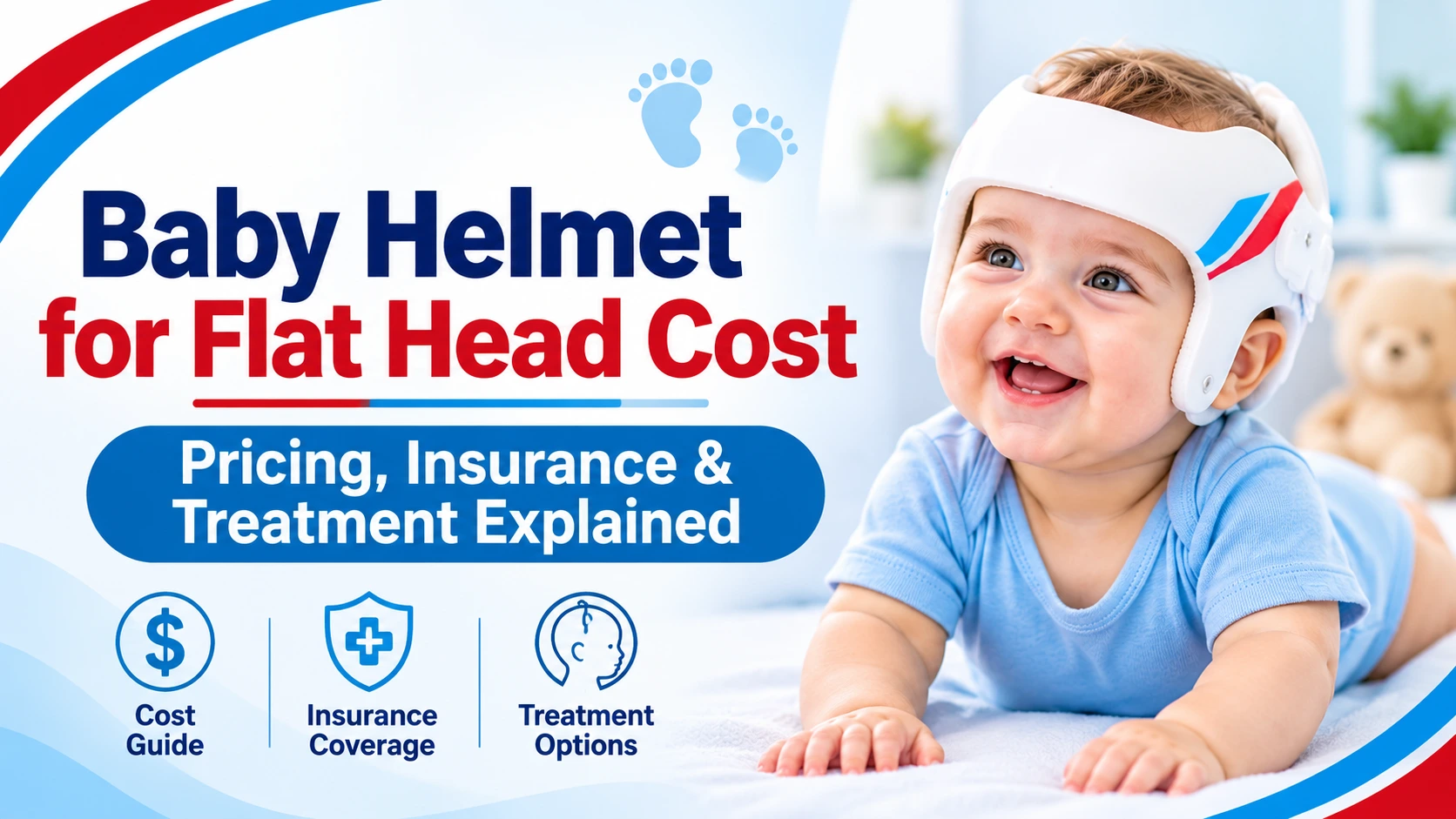
Baby Helmet for Flat Head Cost: Pricing & Insurance

Noticing a flat spot on your baby’s head can raise a lot of questions. Is it normal? Will it improve? And if your pediatrician mentions a helmet, what will it involve, and what will it cost? Those are fair questions. Head-shape changes in the first months of life are common, and most are positional. That […]

Hey everybody, Dave here! Welcome back to The Huddle! Today I’ve got some friends helping me talk about something we see all the time—sitting positions and how they can affect our kiddos’ legs and walking patterns. And there’s one sitting position that doesn’t get talked about nearly enough! LET’S TALK W-SITTING!   We’ve all seen […]

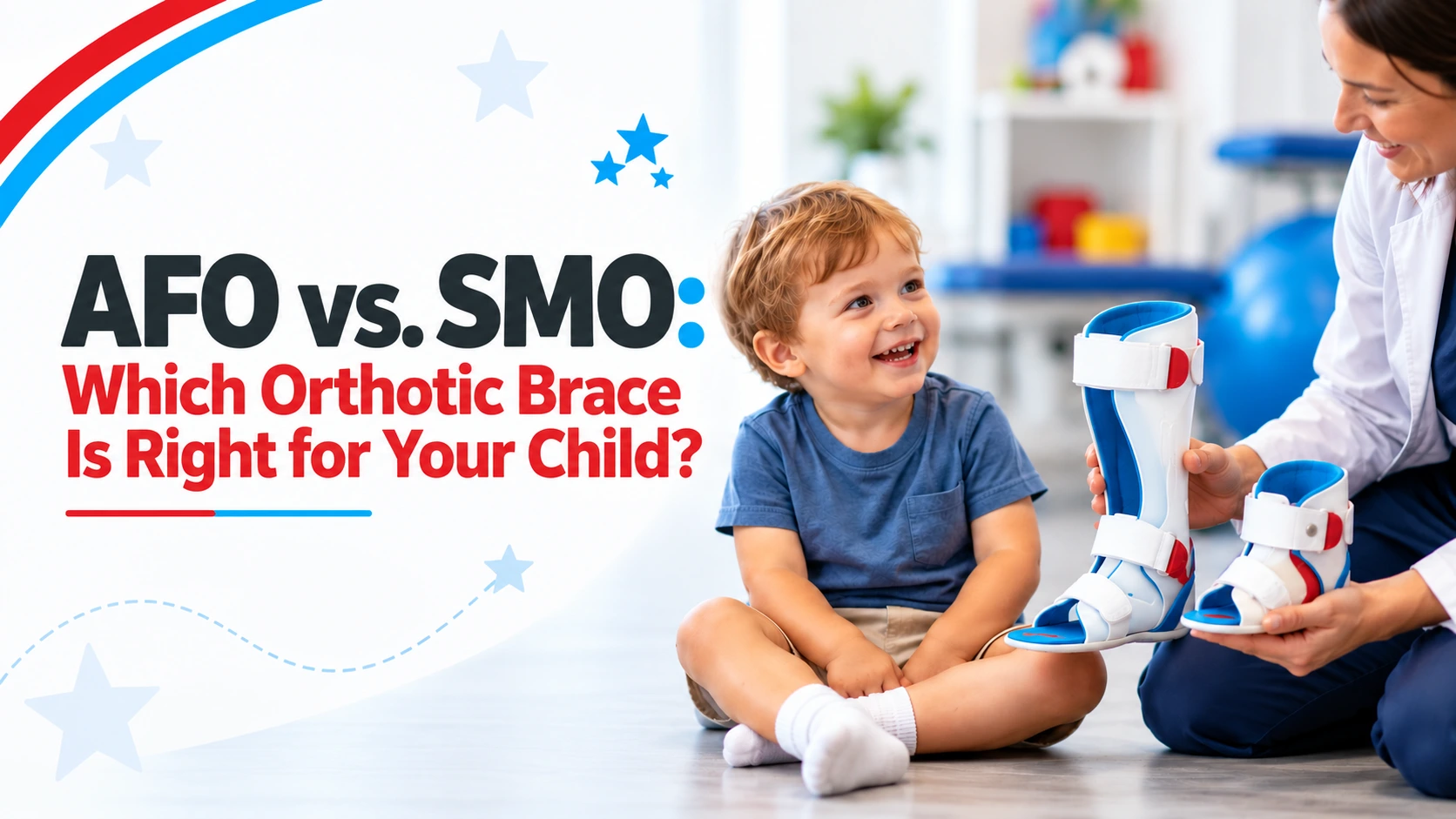
AFO vs SMO: Which Orthotic Brace Fits Your Child?

Hearing the terms AFO and SMO at an appointment can leave parents with more questions than answers. The short version of AFO vs. SMO: an ankle-foot orthosis (AFO) extends further up the lower leg and can steer or restrict how the ankle moves, whereas a supramalleolar orthosis (SMO) ends just over the ankle bones and […]

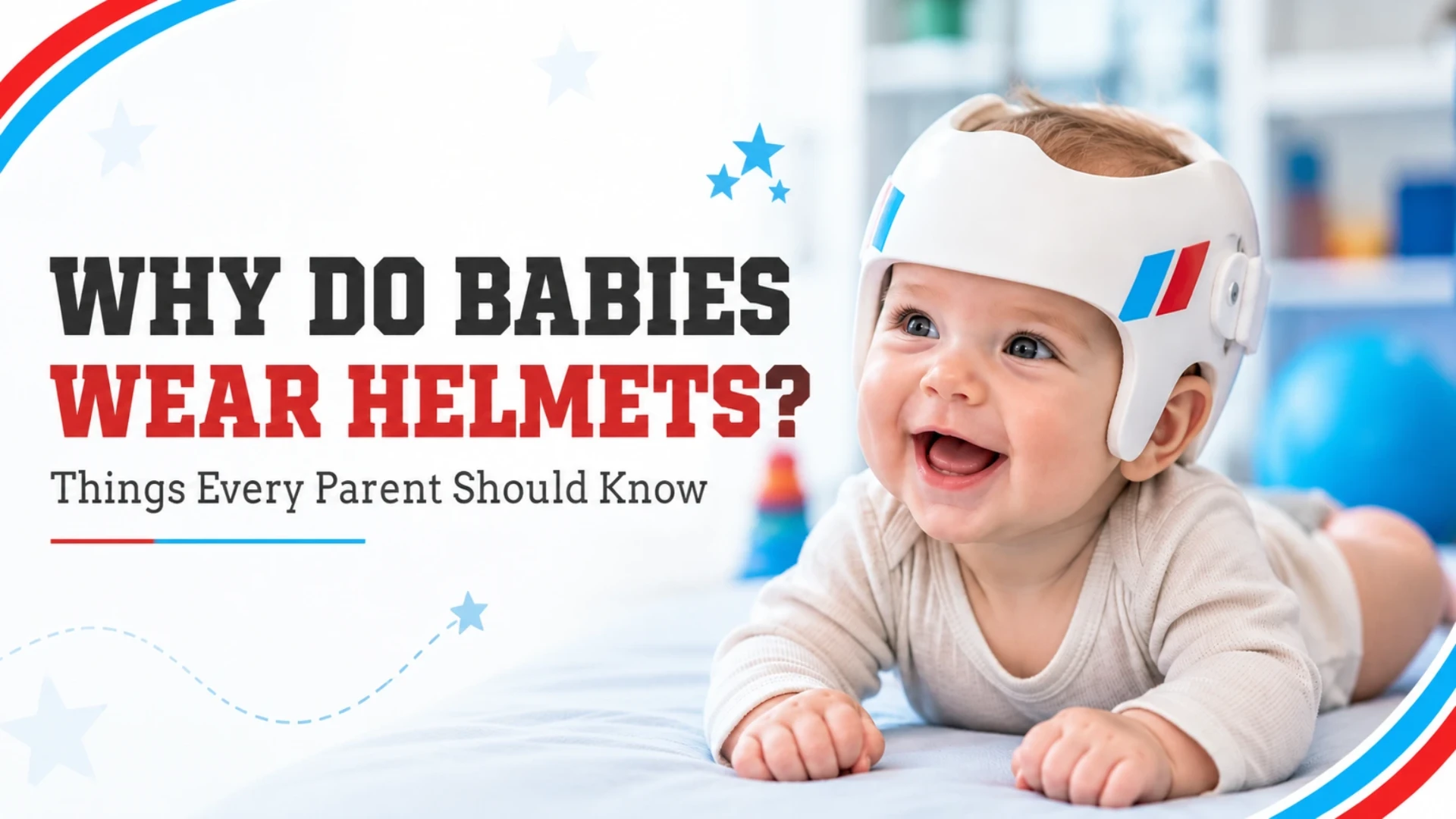
Some babies wear specially designed helmets to help guide the growth of their heads when the shape becomes noticeably uneven or flattened. If you have wondered why do babies wear helmets, the answer often relates to a condition called positional head flattening. A cranial helmet may help improve head shape in certain infants, but not […]

MOVEMENT IS HOW KIDDOS LEARN   Hi everybody, and welcome back!   Today I’ve got my little assistant helping me talk about something I’m really passionate about—mobility equality and neuroplasticity!   Here’s something interesting. A leopard can start walking in about two weeks, while humans typically take around 400–500 days. Why? Because we’ve got a […]