

Some babies wear specially designed helmets to help guide the growth of their heads when the shape becomes noticeably uneven or flattened. If you have wondered why do babies wear helmets, the answer often relates to a condition called positional head flattening. A cranial helmet may help improve head shape in certain infants, but not every baby with a flat spot needs treatment. Understanding the possible causes, how helmet therapy works, and when to seek professional advice can help parents make informed decisions about their baby’s care.
What Is a Baby Cranial Helmet?
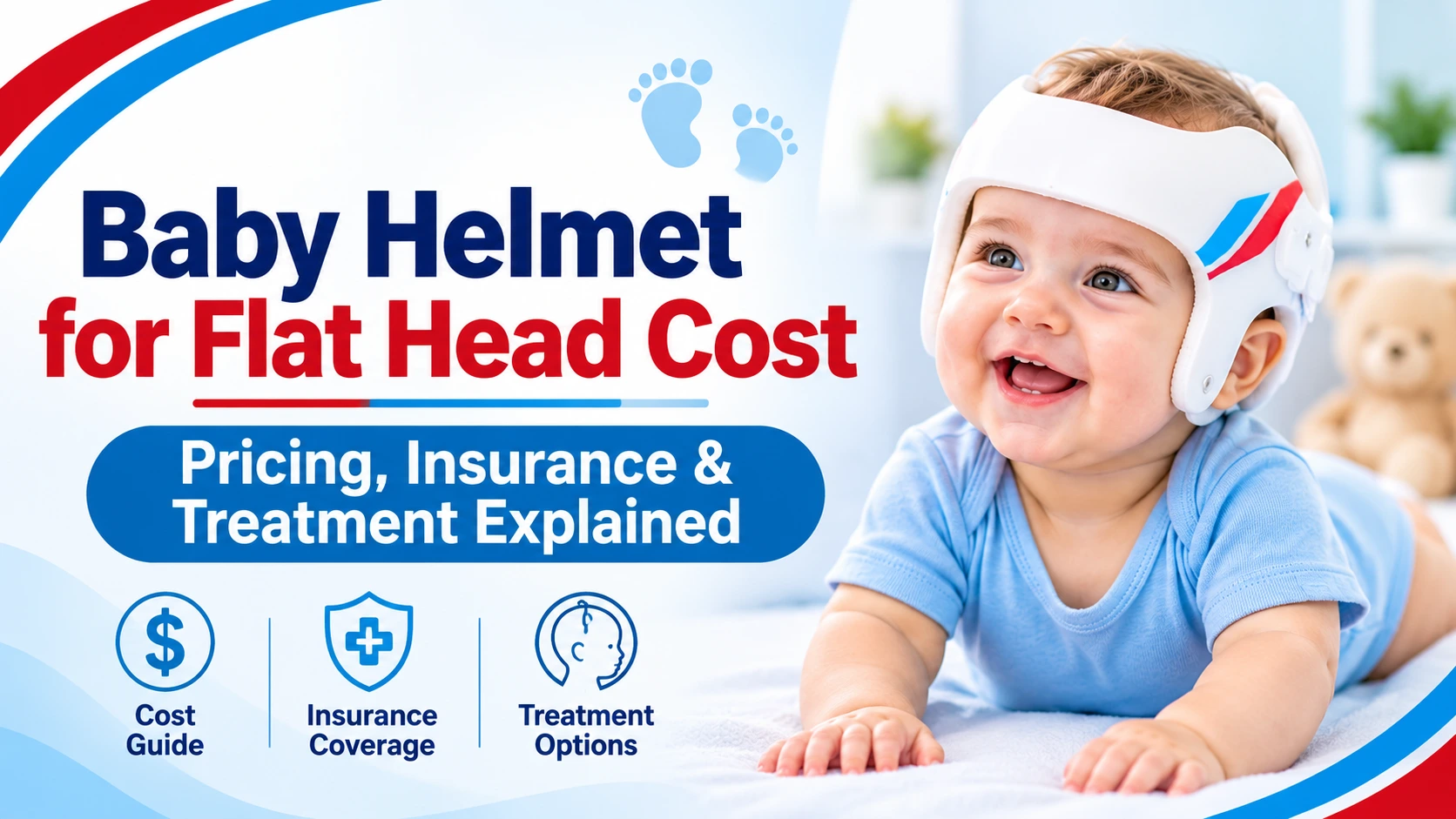
A baby cranial helmet is a custom-fitted medical device designed to guide the natural growth of an infant’s skull. Because a baby’s skull is still developing, it is more adaptable than an older child’s or adult’s skull.
A cranial remolding helmet has a carefully designed interior that accommodates growth in selected areas while providing gentle contact around others. This helps guide head growth toward a more balanced shape over time.
Helmet therapy is generally considered for certain head-shape differences rather than every instance of flattening. A qualified healthcare professional assesses the baby’s head shape, growth, age, and individual needs before recommending treatment.
Why Do Babies Wear Helmets?
Babies may wear helmets when their head shape has become noticeably flattened, elongated, or asymmetrical. The most common reason is positional skull deformation, which can develop when repeated pressure affects the same part of a baby’s soft, growing skull.
A cranial helmet for babies may be recommended when head-shape differences are significant or persist despite appropriate conservative measures. The decision depends on the nature and severity of the condition, the baby’s development, and a professional assessment.
Helmet therapy may be considered for conditions such as:
- Plagiocephaly: Flattening on one side of the back of the head, sometimes accompanied by uneven positioning of the ears or forehead.
- Brachycephaly: A relatively broad, short head shape with flattening across the back.
- Other cranial asymmetries: Certain differences in head shape that require individual evaluation.
A baby head shaping helmet is not intended to treat every cause of an unusual head shape. Some conditions require different medical evaluation or management, making an accurate assessment important.
What Causes Flat Head Syndrome in Babies?
Flat head syndrome in babies often develops because an infant’s skull is soft and continues growing rapidly. Repeated pressure on one area can influence the shape of the skull, particularly during the early months of life.
Several factors may contribute, including:
- Sleeping position: Babies spend considerable time lying on their backs, which can place pressure on the back of the head.
- Head-turning preference: A baby who consistently turns toward one side may develop flattening in that area.
- Limited movement: Spending extended periods in the same position while awake can increase pressure on particular parts of the skull.
- Neck tightness: A condition such as torticollis can make turning the head in both directions more difficult.
- Premature birth: Some premature babies may be more susceptible because their skulls are less mature.
Plagiocephaly usually describes an asymmetrical head shape, while brachycephaly involves a broader, shorter shape. Scaphocephaly describes a longer, narrower head shape and may have causes that differ from positional flattening.
Because different conditions can look similar, parents should have persistent or unusual head-shape concerns assessed rather than assuming that positional flattening is the cause.
How Does Helmet Therapy for Infants Work?
Helmet therapy for infants uses a carefully fitted device to accommodate the skull’s natural growth and guide its shape gradually. The helmet does not force the skull into position or reshape it instantly. Instead, its design works with ongoing growth.
Treatment generally involves several steps:
- Initial assessment: The care team evaluates the baby’s head shape, medical history, and development.
- Measurements: Appropriate measurements or other assessment methods help determine the baby’s head-shape characteristics.
- Custom fitting: The helmet is fitted to the baby’s individual needs to provide suitable space and contact.
- Follow-up appointments: The care team monitors fit, comfort, skin condition, and changes in head shape.
- Adjustments: As the baby grows, the helmet may need modifications to maintain an appropriate fit.
A cranial remolding helmet is not suitable for every infant. The expected benefit and treatment plan depend on the individual clinical findings. Parents can learn more about GOAL Pediatrics’ baby cranial helmet services to understand the care process.
When Might a Baby Need Helmet Treatment?
Parents may wish to seek professional advice if they notice persistent flattening, an uneven head shape, or a head that appears unusually long, narrow, or broad. An assessment can help determine whether the difference is positional or may have another cause.
Several factors influence whether baby helmet treatment is appropriate:
- The baby’s age and stage of skull growth.
- The severity and pattern of the head-shape difference.
- Whether the shape is improving over time.
- Whether neck tightness or another contributing issue is present.
- The findings of a qualified healthcare professional.
Some babies improve as they grow, move more freely, and spend supervised awake time in varied positions. Others may benefit from additional treatment. There is no single recommendation that applies to every baby.
Parents should always follow safe-sleep guidance: place babies on their backs for sleep on a firm, flat surface. Do not use pillows, positioning devices, or an alternative sleeping position to try to correct head shape unless specifically directed by an appropriate healthcare professional for a medically justified reason.
Is a Cranial Helmet Safe for Babies?
When appropriately prescribed, fitted, and monitored, cranial helmet treatment may be an option for selected infants. However, like any medical device, a helmet requires careful attention to fit, comfort, and skin health.
Parents commonly have concerns about heat, pressure, and irritation. Mild redness can occur, but persistent redness, sores, swelling, unusual discomfort, or a helmet that appears too tight should be discussed promptly with the treating care team. Do not modify the helmet yourself.
Follow the clinician’s instructions for wearing time, cleaning, and skin checks. Contact the care team if the baby develops ongoing irritation or if the helmet seems to interfere with comfortable movement or feeding. Seek appropriate medical advice for any concerning symptoms.
What Should Parents Expect During Helmet Treatment?
The process typically begins with an assessment and a discussion of the baby’s needs. If helmet therapy is recommended, the care team explains fitting, wearing instructions, cleaning, and follow-up arrangements.
Parents may be asked to:
- Follow the prescribed wearing schedule.
- Keep the helmet clean and dry according to instructions.
- Check the baby’s skin regularly.
- Attend follow-up appointments for fit checks and adjustments.
- Report persistent irritation, changes in comfort, or concerns about the helmet.
Regular communication with the care team helps ensure that the device continues to fit appropriately as the baby grows. Parents should ask questions whenever instructions are unclear.
Frequently Asked Questions About Baby Helmets
Do all babies with flat heads need a helmet?
No. Many babies with positional flattening improve as they grow and move more. Helmet therapy is considered for selected cases based on head shape, severity, age, and professional assessment.
How long do babies typically wear a cranial helmet?
Treatment duration varies. It depends on the baby’s age, growth, head-shape difference, and response to treatment. The treating clinician can explain the expected schedule and review progress during follow-up visits.
Can a baby’s head shape improve without helmet therapy?
Yes, some positional head-shape differences improve naturally. Appropriate supervised tummy time while awake, varied head positioning, and assessment of neck movement may help. Always follow safe-sleep recommendations and seek professional guidance about persistent flattening.
Does helmet therapy hurt?
Helmet therapy should not cause ongoing pain. Babies may need time to adjust to wearing a helmet, but persistent discomfort, skin sores, or significant irritation should be reported to the treating care team.
Helping Your Baby Get the Right Care
Noticing a flat spot or uneven head shape can be worrying, but it does not automatically mean your baby needs a helmet. The best next step is to understand what is causing the difference and whether treatment may be helpful for your child’s individual needs.
GOAL Pediatrics helps families explore pediatric orthotic care, including cranial helmet services for eligible infants. If you have concerns about your baby’s head shape, contact our care team to discuss an assessment and the next steps. With appropriate evaluation and guidance, you can make an informed decision about your baby’s care.
Medical review recommended before publication to ensure that the information reflects current clinical guidance and GOAL Pediatrics’ treatment protocols.